
Archives: Trips
Description.
#GatewayGallop: Heritage Walk
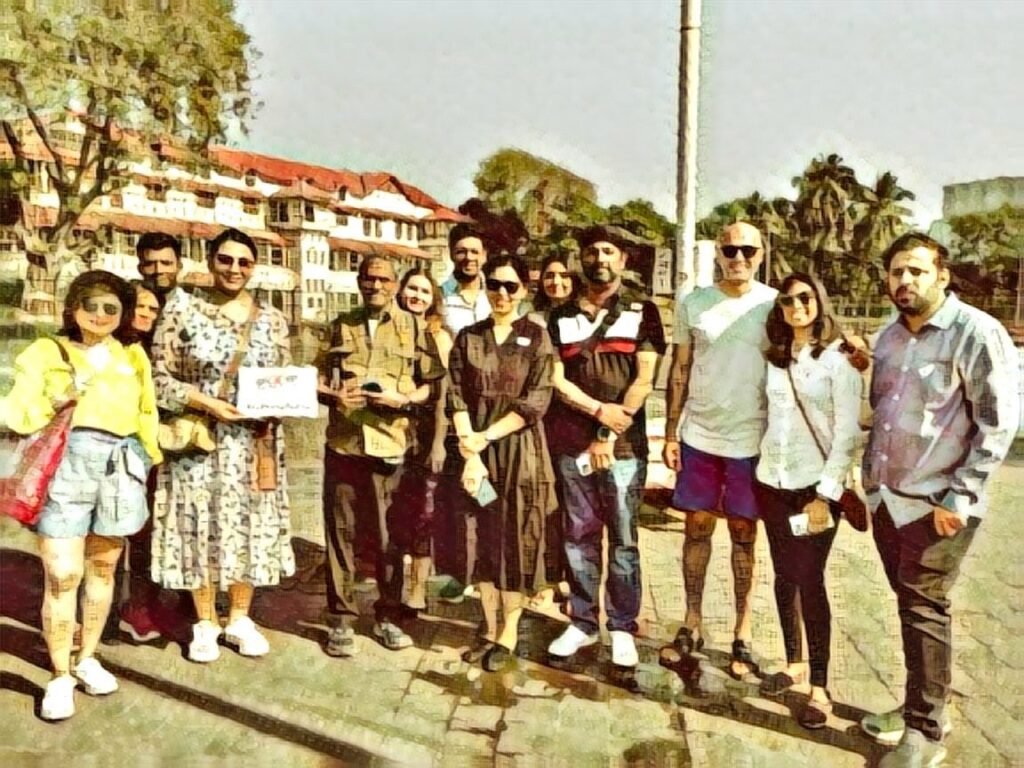
t the southern tip of the erstwhile island of Mumbai was a small port where a fish called the palwa was brought to be sold. The British anglicised Palwa to Apollo, and called the port the Apollo Bunder. The Bunder gave way to a pier – the Apollo Pier – which grew into a reclamation in the late-19th century. Several iconic structures came up on the stretch around the pier, with the Gateway of India becoming the crowning glory in 1924. On our #GatewayGallop heritage walk, we explore the precinct to discover there’s much to it than just the Gateway.
#XmasInBandra
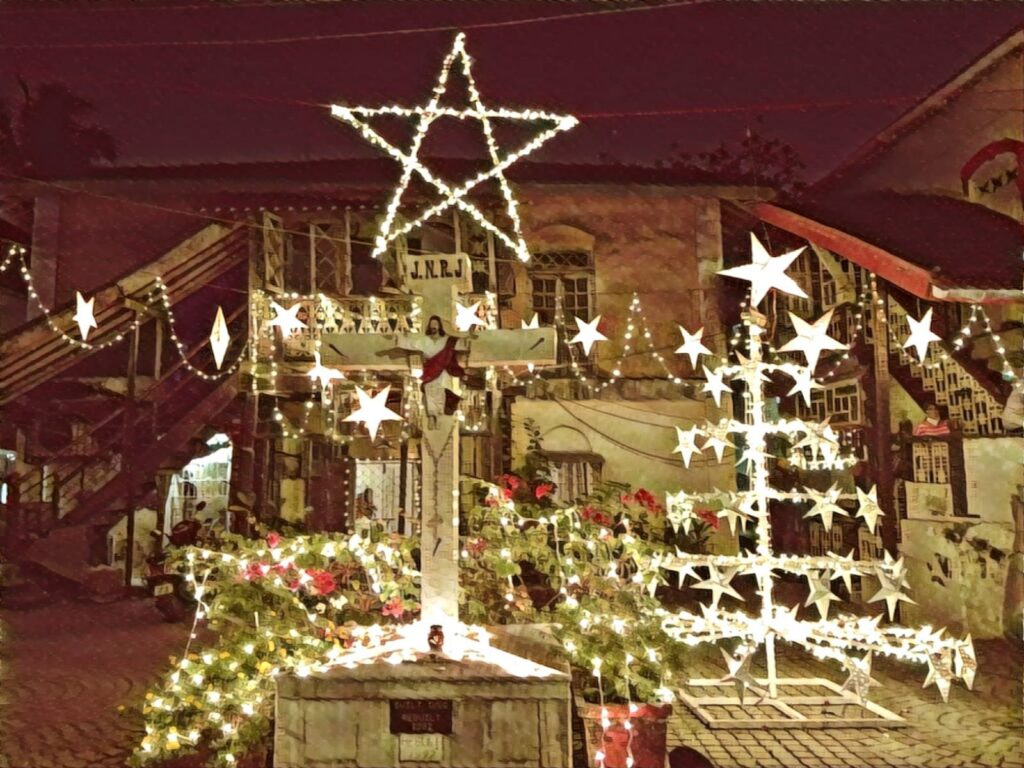
If its Christmas, it must be Bandra. The suburb’s Christian heritage goes back more than 450 years to the time when Portuguese Jesuits took over the island in the 16th century. Despite Maratha and British rule from the 18th century and wide-spread development in the last century, Bandra’s Indo-Portuguese Roman Catholic culture still thrives in its gaothans and Christian colonies. On our #BandraBling Christmas-special open-jeep heritage tours, we ride under the canopy of Christmas lights through Bandra’s narrow streets, telling you tales of its Christian heritage.
For private bookings kindly contact: +918828100111
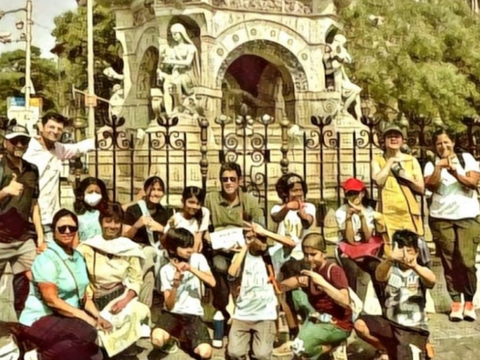
#Fort4Kids
Today Mumbai is a big bustling metropolis, but did you know, the city has rather humbler beginnings?! And it all began in the Fort area, where once upon a time, there used to be an actual fort with a moat around it. On our #Fort4Kids group tour of the city, specially curated for children of all ages, even the young at heart, we cross the moat to enter inside the Fort of Bombay and wander around its streets, understanding how the city began, ending at the spot that’s the birthplace of the city.
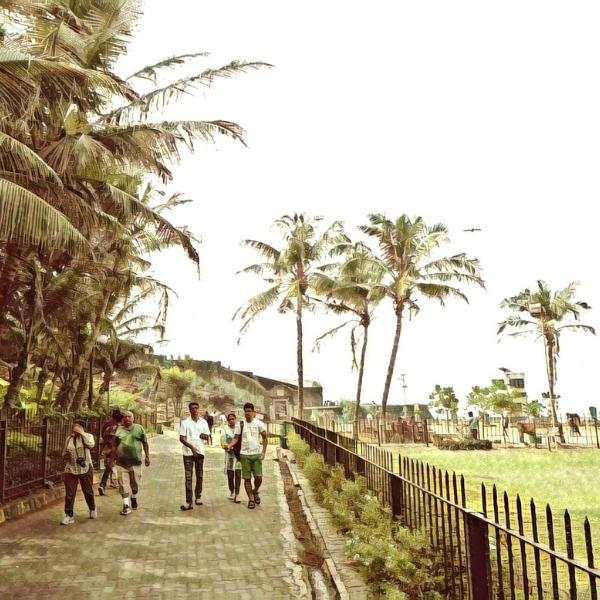
#BandraWalk
Get to know Bandra’s secrets that are not mentioned in guide-books, as you explore its Portuguese heritage that still continues to live in its churches, villages and communities.
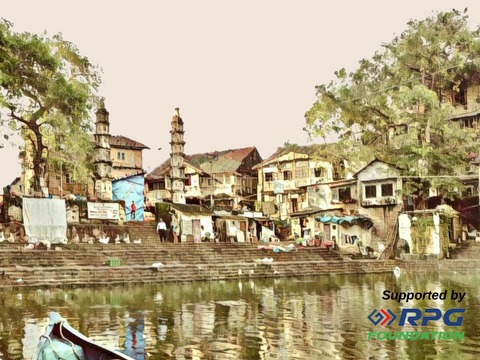
#BangangaWalk
The temple precinct of Banganga can be an overwhelming experience for a first-time visitor. To understand its significance, join us on a 2-hour walk that not only covers the main shrines and the tank, but also shows hidden details not listed in printed guides.
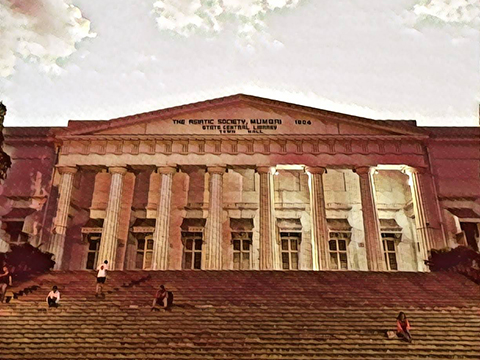
#FortWalk
Walking around the city with a printed guide will help you see the sights. But you won’t learn much about them. See little details that you would otherwise miss and listen to the interesting stories that Mumbai’s grand buildings hide on this 2.5-hour walk through what was once the southern half of Mumbai’s colonial Fort.
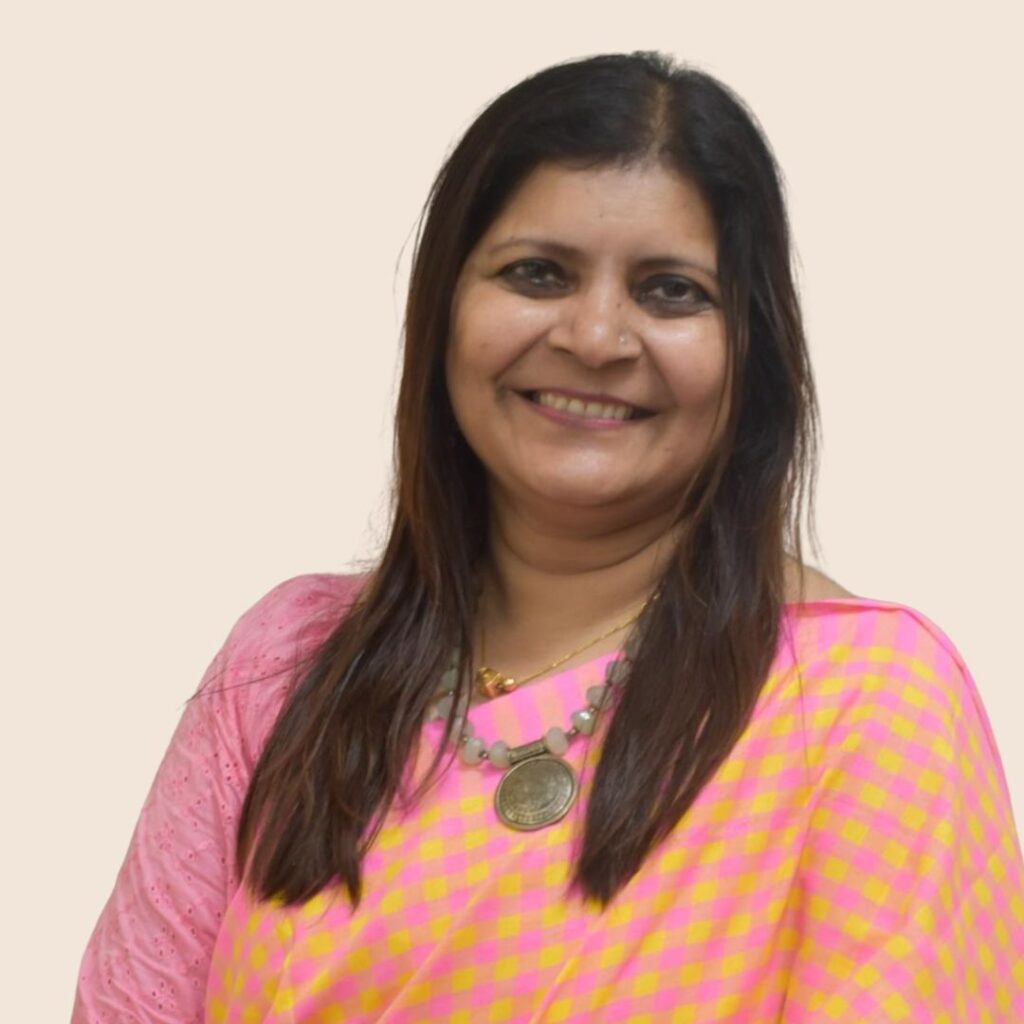
#GrainBeforeGold – Cereals As Seeds Of Global Trade by Dr Chhaya Goswami: Talk 299
The role of subsistence commodities such as grains, herbs, and other staples seems mundane, but it has been crucial in shaping the early modern circuits of capital and exchange across the Indus delta and the Arabian Sea. What appears as ordinary trade has, in fact, laid the infrastructural and financial groundwork for the large-scale circulation of high-value goods such as ivory, pearls, textiles, and spices. At our Online Talk #GrainBeforeGold, professor and maritime historian Dr Chhaya Goswami will examine how grain corridors stretching from Shahbandar, Karachi, Lakhpat, Mandvi, and Mumbai operated as arteries of regional wealth formation and enabled communities such as the Lohanas, Bhatias, Bhanushalis, and Sindhi merchants to convert agrarian surpluses into trade capital, thus expanding their reach into transoceanic ventures.
About the speaker:
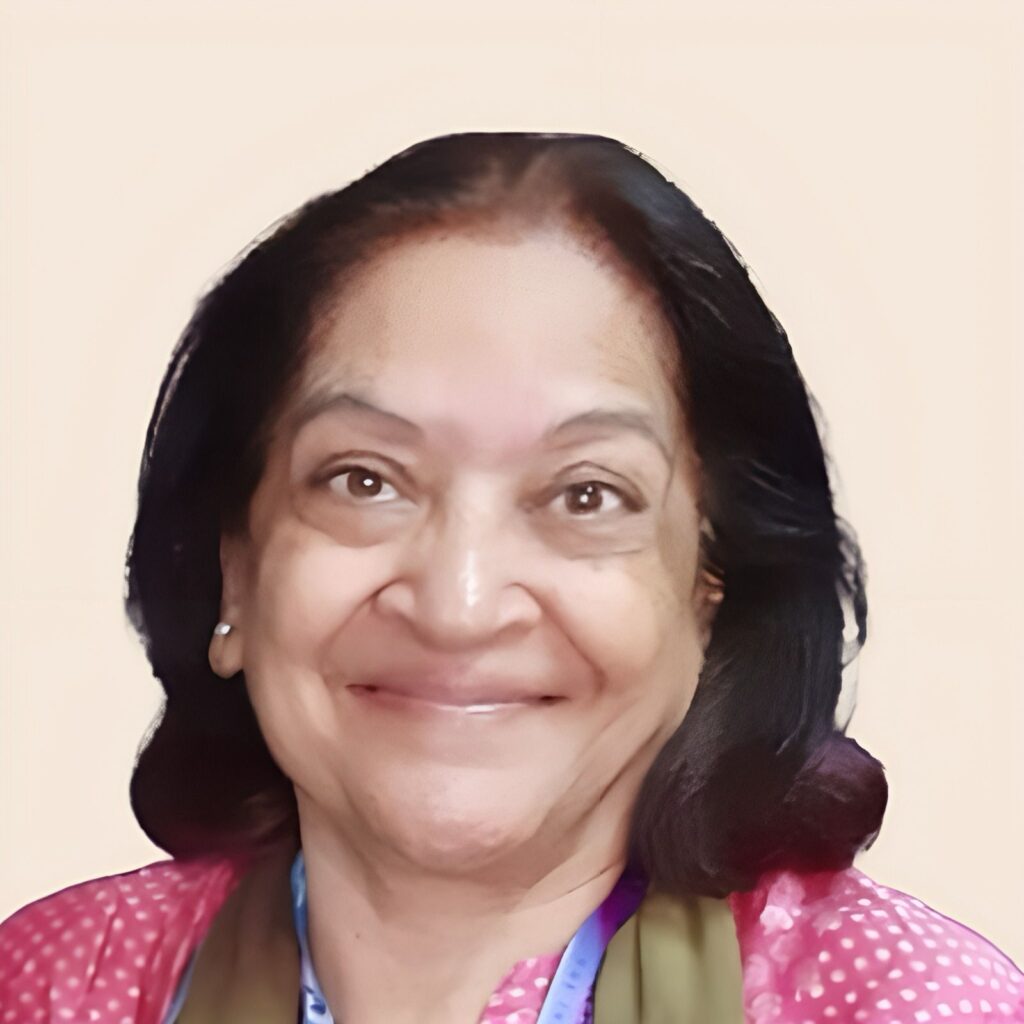
Dr Chhaya Goswami is a specialist in the maritime history of India’s west coast and the western Indian Ocean. Her research focusses on trans-regional and trans-oceanic commodity exchanges, maritime trading networks, diaspora and community histories, business history, oral history, and the phenomenon of violence at sea. She is the author of two acclaimed books on the maritime trading linkages of Kachchh with Eastern Arabia and East Africa: ‘The Call of the Sea: Kachchhi Traders in Muscat and Zanzibar, c.1800–1880’ (Orient BlackSwan, 2011) and ‘Globalization Before Its Time: Gujarati Merchants from Kachchh’ (Penguin Books, 2016). Currently, she is Head and Associate Professor for the Centre for Indian Ocean and Transoceanic Studies, Somaiya School of Civilisation, Somaiya Vidyavihar University.